


Blues Rock encyclopedia on MusicHeartsFM
Blues Rock genre — history, bands and artists
Geography of Blues Rock
Where the artists of the genre come from and where it is on the radio
Landmark albums of Blues Rock
Studio albums that listeners most often call this genre
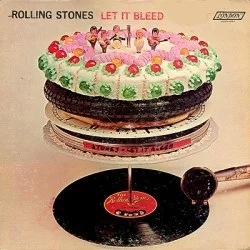 1969
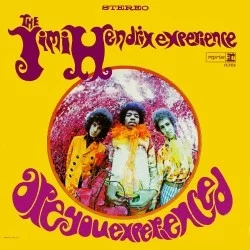 1967
 1968
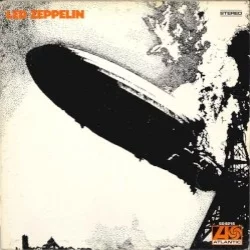 1969
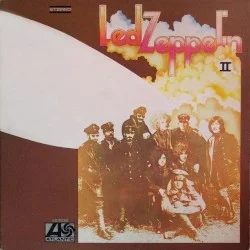 1969
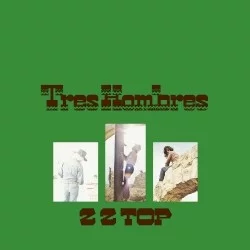 1973
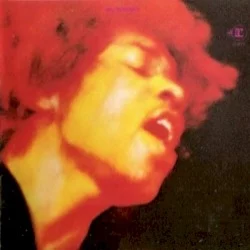 1968
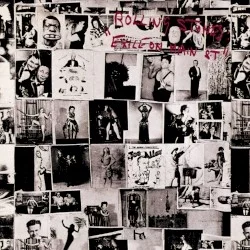 1972
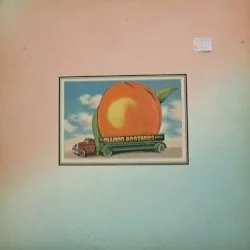 1972
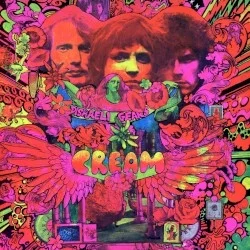 1967
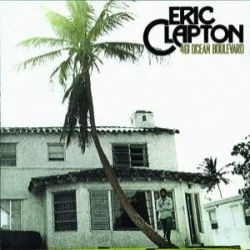 1974
New in Blues Rock
Albums and singles of the genre released in the last four months
 2026

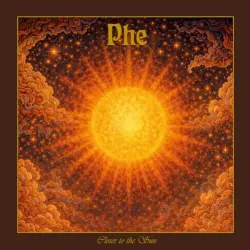
 2026
Blues Rock by year
How many studio albums of the genre came out each year
Blues Rock by country and decade
Bands and artists of the genre from different countries and eras, the best albums of each decade
By country


By decade
Best albums by decade
Artists of Blues Rock
The most listened artists of the genre and its subgenres: the bigger the name, the more listeners
- Aerosmith
- Alice Merton
 Bad Company
- Beth Hart
- Blind Melon
- Bob Dylan
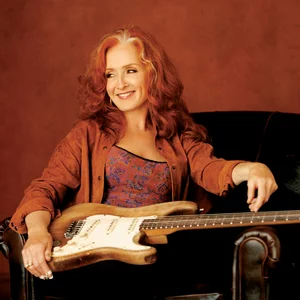 Bonnie Raitt
 Bruce Hornsby
- Buddy Guy
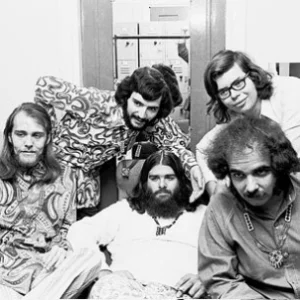 Canned Heat
 Carlos Santana
- Chris Rea
 Cream
 Creedence Clearwater Revival
 David Gilmour
 Derek and the Dominos
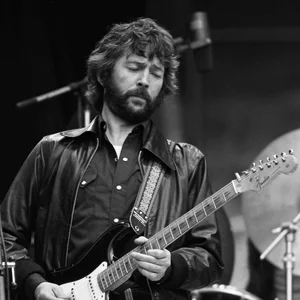 Eric Clapton
- Fleetwood Mac
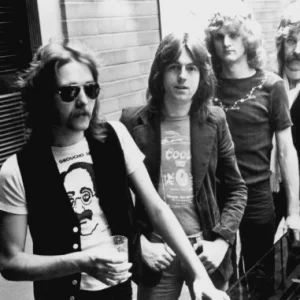 Foghat
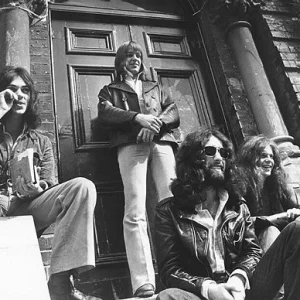 Free
 Gary Moore
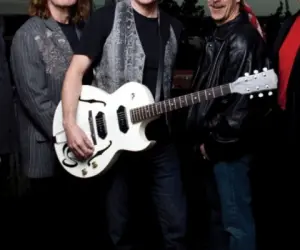 George Thorogood & the Destroyers
- Greta Van Fleet
- Hozier
- J.J. Cale
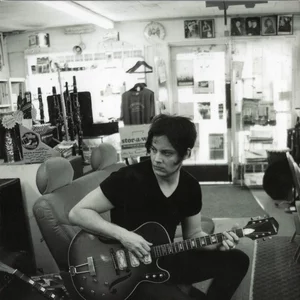 Jack White
 Janis Joplin
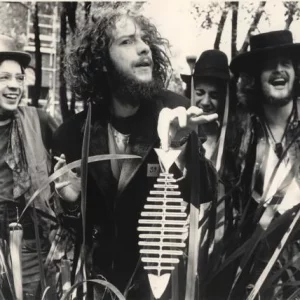 Jethro Tull
- Jimi Hendrix
- Joan Osborne
- Joe Bonamassa
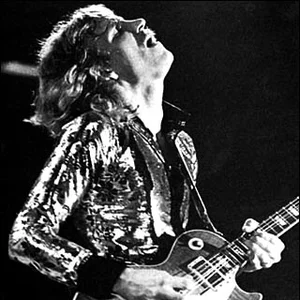 Joe Walsh
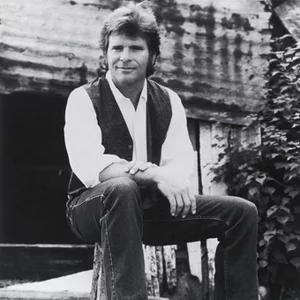 John Fogerty
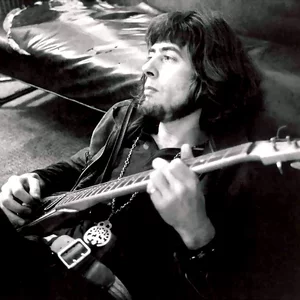 John Mayall
 John Mayer
 Kaleo
- Led Zeppelin
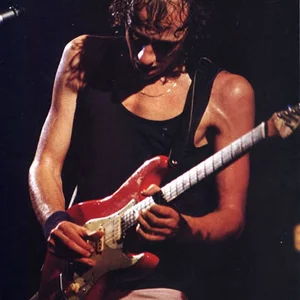 Mark Knopfler
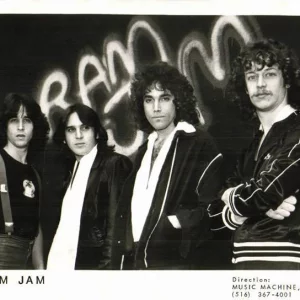 Ram Jam
 Robert Plant
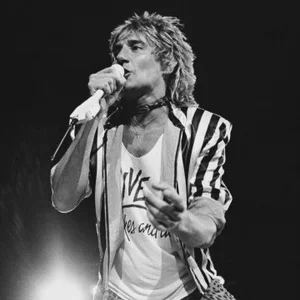 Rod Stewart
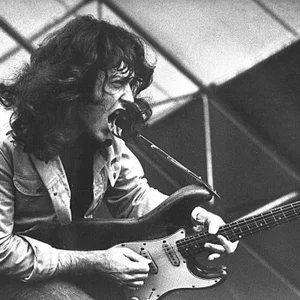 Rory Gallagher
 Status Quo
 Steppenwolf
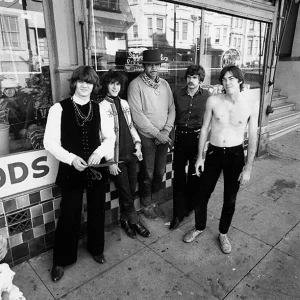 Steve Miller Band
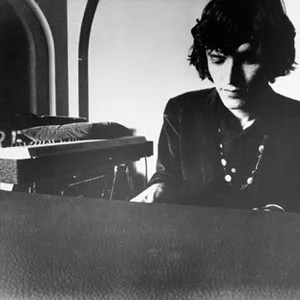 Steve Winwood
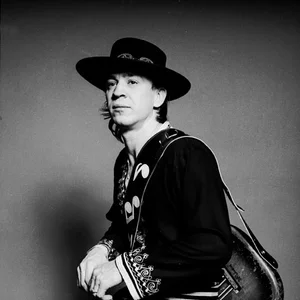 Stevie Ray Vaughan
 The Allman Brothers Band
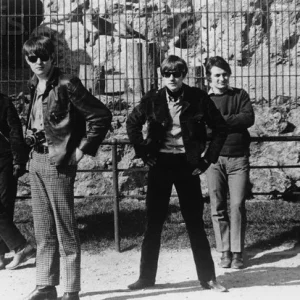 The Animals
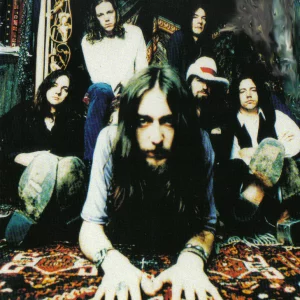 The Black Crowes
- The Black Keys
- The Doors
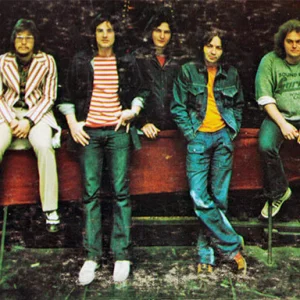 The Guess Who
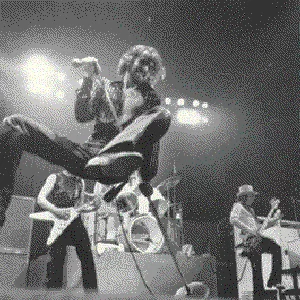 The J. Geils Band
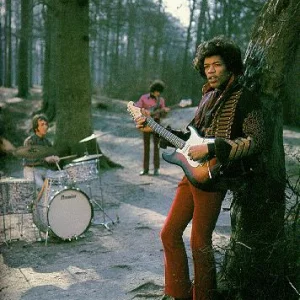 The Jimi Hendrix Experience
- The Rolling Stones
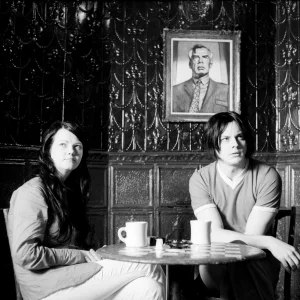 The White Stripes
- Tom Waits
- Tracy Chapman
- ZZ Top
Overview
Blues rock is a fusion genre combining elements of blues and rock. It is mostly an electric ensemble-style music with instrumentation similar to electric blues and rock. From its beginnings in the early- to mid-1960s, blues rock has gone through several stylistic shifts and along the way inspired hard rock, Southern rock, and heavy metal. Blues rock continues to be an influence, with performances and recordings by several popular artists.
Blues rock started with rock musicians in the United Kingdom and the United States performing American blues songs. They typically recreated electric Chicago-style blues songs, such as those by Muddy Waters, Jimmy Reed, Howlin' Wolf, and Albert King, at faster tempos and with a more aggressive sound common to rock. In the UK, the style was popularized by groups such as the  The Rolling Stones, the
 The Yardbirds, and the Animals, who managed to place blues songs into the pop charts. In the US, Lonnie Mack, the Paul Butterfield Blues Band, and
 Canned Heat were among the earliest exponents and "attempted to play long, involved improvisations which were commonplace on jazz records". John Mayall & the Bluesbreakers and Peter Green's Fleetwood Mac also developed this more instrumental, but traditional-based style in the UK, while late-1960s/early 1970s groups, including Ten Years After, Savoy Brown, and Foghat became more hard rock oriented. In the US, Johnny Winter, the
 The Allman Brothers Band, and
 ZZ Top represented a hard rock trend.
Although around this time, AllMusic commented, "the lines between blues rock and hard rock were barely visible", there was a return to more blues-influenced styles. In the 1980s, the Fabulous Thunderbirds and Stevie Ray Vaughan, recorded their best-known works and 1990s saw guitarists Gary Moore, Jeff Healey, and Kenny Wayne Shepherd become popular concert attractions. Groups, such as the Jon Spencer Blues Explosion and the  The White Stripes, brought an edgier, more diverse style into the 2000s, as do contemporary artists
 The Black Keys.